03 — Teaching Philosophy
On cooking, food, and education.
I don’t want you to just know about food, I want you to be curious about food.
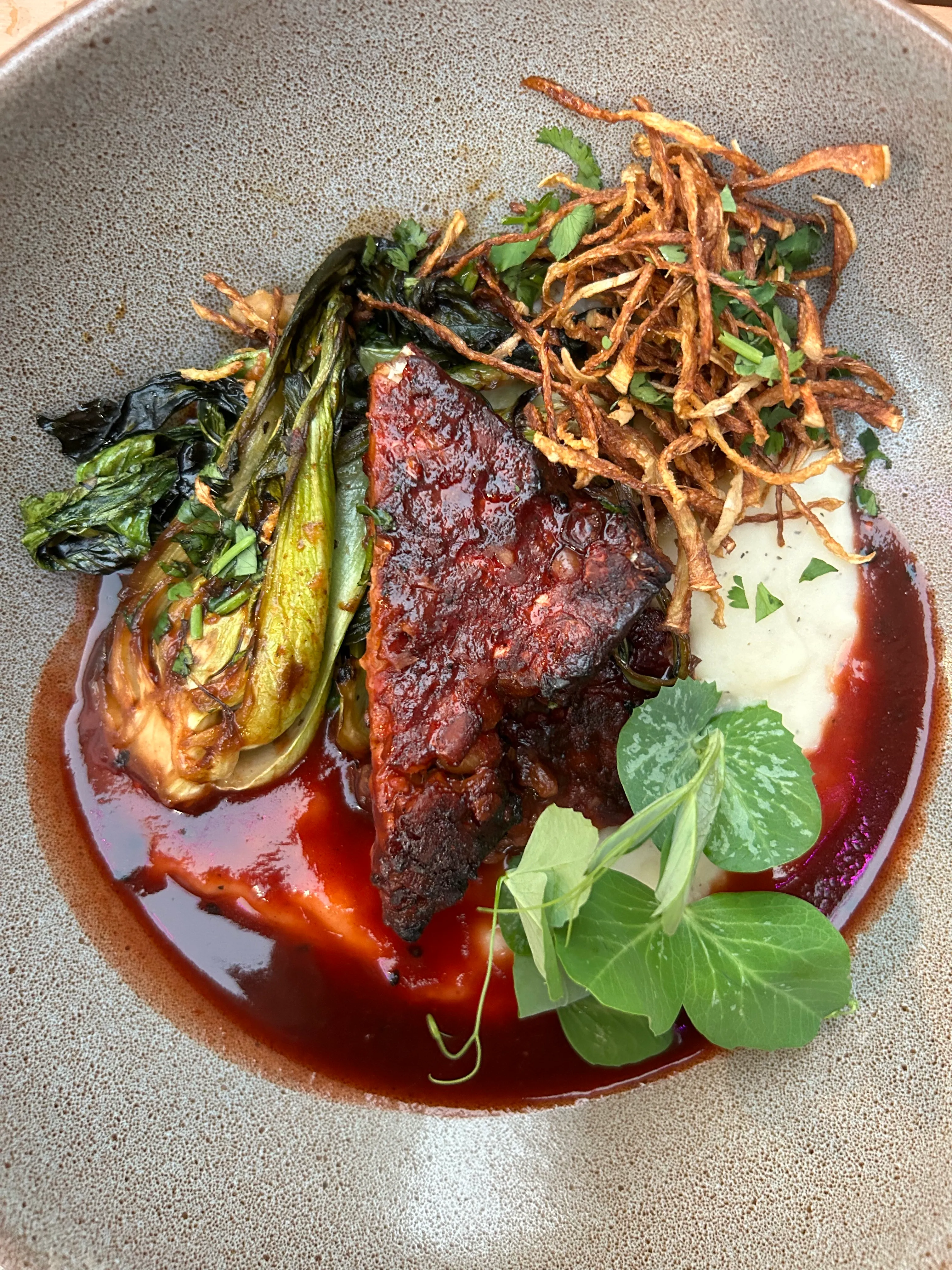
I want to deepen your appreciation of food. I want to deepen our appreciation for the rich biodiversity of our land, appreciation for each other’s contributions when we share at the dinner table, and appreciation for the cultures that have shaped our unique sense of taste.
I don’t want you to just know about food, I want you to be curious about food. I want these lessons to be understood intellectually, understood by the body through sensory experience, and I also want this knowledge to be felt.
The best chefs I worked with didn’t feel like they had it all figured out. The best chefs I worked with were forever humbled before the evolving natural world, responsive to people’s changing tastes and needs, and forever grateful to the growers and chefs who come before them.
We can bring value and gratitude to the act of eating, and make the simple sublime. Eating is an essential, utilitarian act at the base level of our hierarchy of needs. Above this base level of survival, food brings us pleasure and social connection. Most of us are lucky enough to know that food can bring a sense of love and belonging. How we procure and prepare food can be an expression of achievement and respect for others. At the top of Maslow’s hierarchy of needs, meaningful work is an expression of self actualization.
I’ve had incredible opportunities and experiences, and met so many interesting people because of my culinary profession.
I’ve cooked in the streets of Bangkok, and I got to take over the famed Esalen Institute in Big Sur for a week, with full use of their biodynamic farm.
I’ve cooked for chefs and writers I admire, for musicians and artists, for a shaman from Altai, for Zen monks in Buddhist monasteries, for spiritual and political leaders, for numerous fundraisers and charities, and for thousands of people living on the streets in San Francisco.
I am grateful to be able to express love for friends and family through cooking.
Being from a village in Door County, Wisconsin, cooking has brought me adventure I may not have found otherwise, and shaped who I am. Being a chef has served as a vehicle for becoming the person I want to be.
We can best serve our role when we are humbled in our profession, but being a chef can also be important, noble work, and held in high esteem.
Whether someone is an exalted executive chef, a dedicated short order cook, a farmer or grower, a diligent porter, an attentive food runner, or a dependable prep cook; there is an understanding that we were all contributing to the production of a good meal. The work can be physical, and the work can also represent our highest values.
I want to share my passion for culinary education with you, and help you understand how this work is connected to the greater world.
People want to feel at home with other people, as food connects us. People want to feel at home with history, and food often tells of traditions and stories. People want to feel at home with nature, where food is a connection to the land. Even in this modern age, it’s impossible to eat without involving nature, people, and history.
I have given my working life to cooking, to business ownership and management, to building teams, and to marketing and business development.
I especially enjoy the challenge of making the evolution of ‘plant-based’ cooking sensible, accessible, and exceptional. It is becoming common knowledge that we need to consume less animal products if we are to thrive as a species that can live in harmony with our environment. I trained in classical kitchens that worked with animal products, so this is a choice rather than a limit. I have also worked with fine Californian wineries, tasted new heirloom chili and tomato varietals in the fields at Eatwell Farm, grown koji and produced miso and shoyu alongside an esteemed Japanese chef, and cooked with some of the best produce on earth.
I feel like the lexicon of ‘plant based’ food isn’t a new culinary creation, but is as deep and wide, and flavorful as anything I’ve ever had the pleasure of preparing and sampling, in the best restaurants in California.
With education, people will learn to say ‘yes’ to this culinary enlightenment, and ask for seconds. It is not deprivation when every single culture in the world has a varied repertoire of cooking beautiful, delicious food without animals, and I believe the best chefs in the world know how.
‘Plant-based cooking’ is really just like any other style of skilled cooking, but omitting animal products. It seems simple and sensible to me, but I have also been doing it since 2005.
I focus on developing deep layers of umami, creating structure and focus in my dishes, and achieving familiar textures to that of many traditional meat and dairy dishes. Much of this is achieved through fermentation, whether I’m creating it, or simply buying a fermented product.
Teaching is the part I find most satisfying. What took me years to learn, I can often pass on in a deep, memorable and lasting way, in a fraction of the time.
As an educator, I like to engage curiosity, instill a sense of purpose, and stress the importance of their primary experience. Taste is subjective, and the best education is tasting and trusting, valuing the feedback of others, and learning from those who have a deep connection to the work.
Everyone has built up potential, and cultivating it is truly exciting to me.